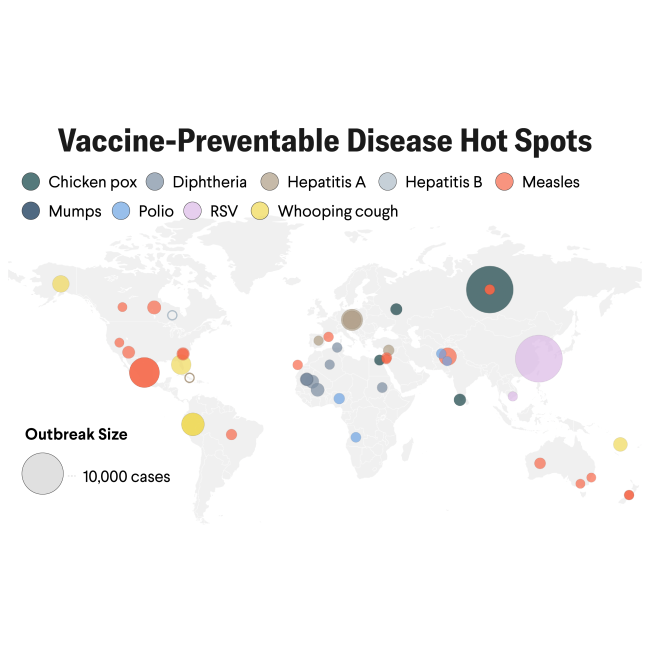
On November 17, Pan American Health Organization (PAHO) Director Jarbas Barbosa announced at a media briefing that the United States, Bolivia, and Mexico—all three of which had previously eliminated measles—had reestablished endemic transmission after sustained spread for more than 12 months.
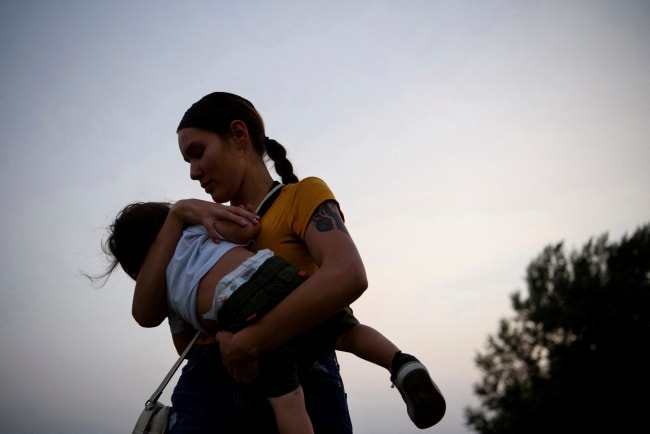
In the United States, the loss of measles-free status is a culmination of the nationwide decline in vaccination rates, jump in vaccine exemptions, and changes to vaccine policy that created the conditions for the disease to spread. As a result of wider transmission, measles infection is also reaching populations once largely shielded by herd immunity: the disease has affected 112 pregnant women and 13 newborns in the country since early 2025, according to preliminary data, and in Pennsylvania—the current hotspot—a larger swath of adults than children.
Think Global Health developed five charts to mark the current setback in U.S. and global public health history, and to trace how the country allowed a preventable disease to resurface at such high levels.
Measles Outbreaks Grow in 2026
This past year, large outbreaks in Pennsylvania, South Carolina, and Utah fueled the U.S. surge in case counts. According to Johns Hopkins University, which has been tracking laboratory-confirmed measles cases reported by state and county sources, case counts have increased at a much faster rate than in previous years.
Cumulative cases in 2026 grew about 5 to 7% per week on average, compared with about 1 to 2% in 2025. Over the last eight weeks of 2026 alone, the total case count rose 61%. The largest surge this year occurred in late summer in Pennsylvania among the state's largely unvaccinated Amish and Mennonite communities—similar to how Mexico's outbreak flourished last year. Mexico's outbreak originated in the United States: the first case was in a 9-year-old child who took a family trip to Seminole, Texas, where a large measles outbreak was underway, signaling the cross-border nature of measles infections.
Canada, which lost its measles elimination status last year, also saw outbreaks grow in historically undervaccinated groups.
Vaccine Coverage Wanes
Although the COVID-19 pandemic accelerated an increase in parents seeking exemptions from one or more routine childhood vaccines, this number surged even more sharply after Robert F. Kennedy Jr. took office as secretary of Health and Human Services in 2025. According to a Reuters analysis, vaccine skepticism grew more under Kennedy than during the pandemic or any year since. Consequently, exemptions reached a record high of 4.2% during the 2025–26 school year.
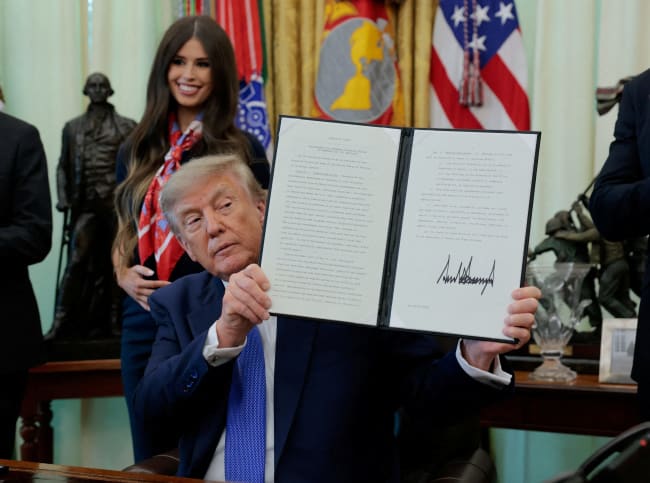
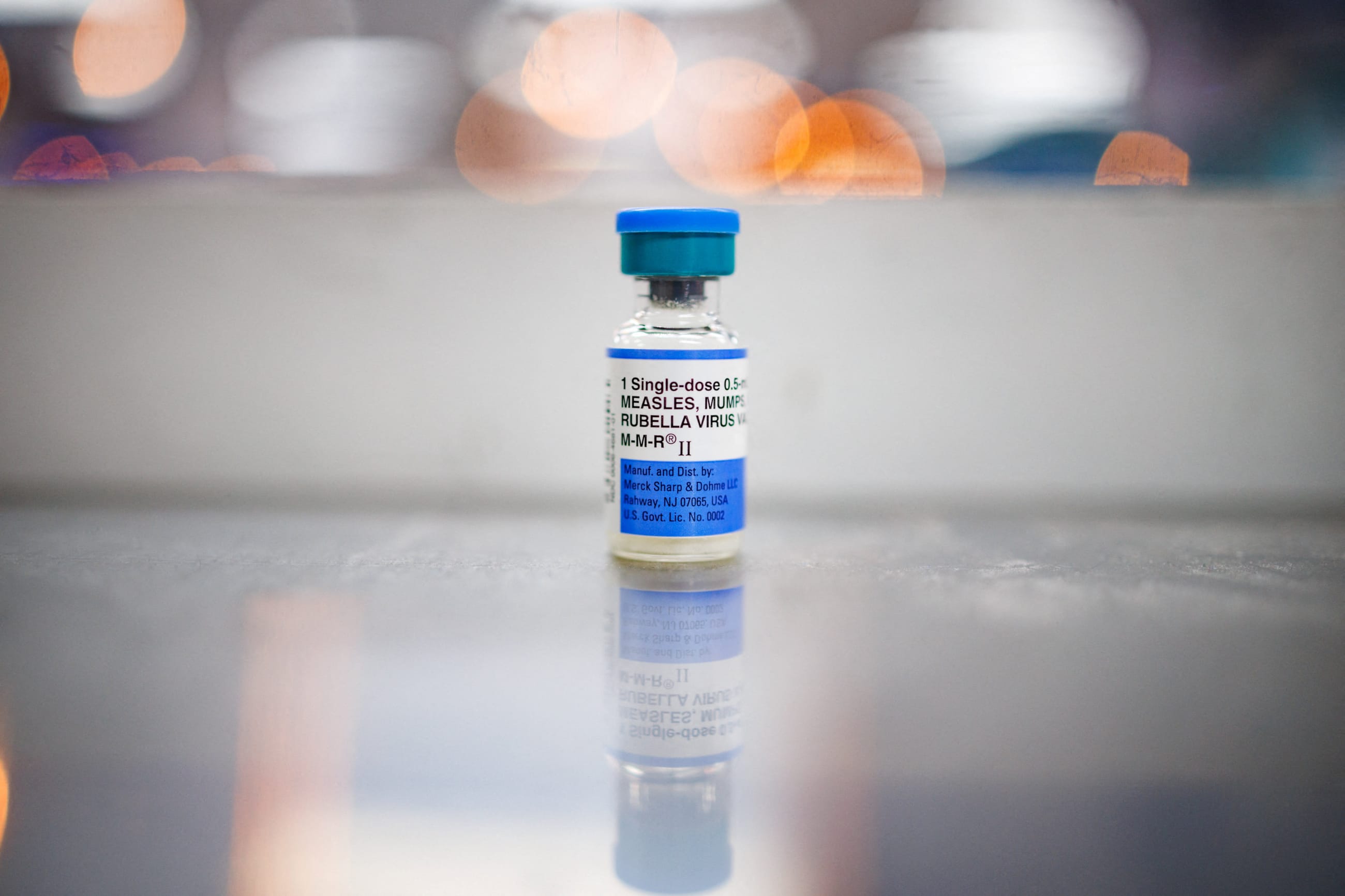
Over the past two years, Kennedy, HHS agencies, and President Donald Trump also made efforts to weaken measles protections, including recommending that doctors restrict the use of the measles, mumps, rubella, and varicella (MMRV) vaccine and splitting it into separate components.
MMR coverage among U.S. kindergarteners dropped to 92.4% this school year, down from 94.7% in 2018–19. Compared with that year, coverage dropped across 39 states. Idaho saw the largest drop, from 89.5% to just 75.2% coverage this school year.
The Road to Reinstatement
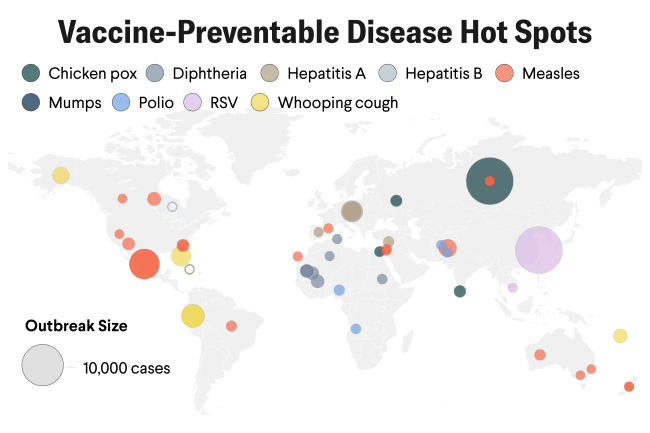
The United States now joins 12 other countries that have reestablished measles spread in recent years, including Canada, Spain, and the United Kingdom. Measles is considered endemic in an additional 84 countries.
Two countries succeeded in regaining their elimination status—Brazil and Venezuela—after aggressive country-wide vaccination campaigns and regional coordination. It took both countries five years to regain their status.
Recovering the lost status in the United States will take a concerted effort from U.S. leadership to overcome the setbacks of the previous five years and reclaim the political will it took to eliminate measles more than two decades ago.